


Finding the Best Travel Vlog Camera – My Tech Stack Upgrade
Investing in the right technology stack is crucial for travel vloggers. It directly influences your content quality and production efficiency. At the beginning of last year, I wrote my first blog about my travel vlog tech stack. I also wrote a blog about finding the best travel camera for travel vlogging.
Now, I bought several new pieces of hardware and upgraded my editing software, as well. Thus, I want to share some details, as I am sure this article will help you start your travel vlog or find the best camera setup for vlogging in general.
Searching for the Best Travel Vlog Camera on Reddit
During my trip to Germany last year, I ran into some issues while shooting my football video. My two cameras at the time, a Xiaomi 11T Pro Android phone and a Brave 8 by Akaso action cam, both proved unsuitable for low-light environments. The Brave 8, a budget GoPro competitor, is not really designed for indoor shooting anyway. But this time, even my phone camera did not do the job. Just check out the interview with Florian at the end of the video. Note that I tried to improve the lighting and remove the noise, and still it does not look crisp.
Thus, I decided to look for a new camera. And as you do, I started searching for the best travel vlog camera on Reddit. Besides that, I also read many reviews. I ultimately chose the Google Pixel 9 Pro as my new main camera for my travel videos. Using a smartphone for content creation offers several benefits, including automated backups, portability, and ease of use.
But why use a phone as a travel vlogger? People said good things (or Google just does great PR) and met my criteria:
- Front camera supporting 4K/60 FPS
- Improved night mode for better indoor and low-light shooting
- Long-lasting battery (my old phone was showing its age)
- Sticking to Android, I am not really an Apple/iPhone guy
- Google Pixel 10 is already available, lowering the price for the Google Pixel 9
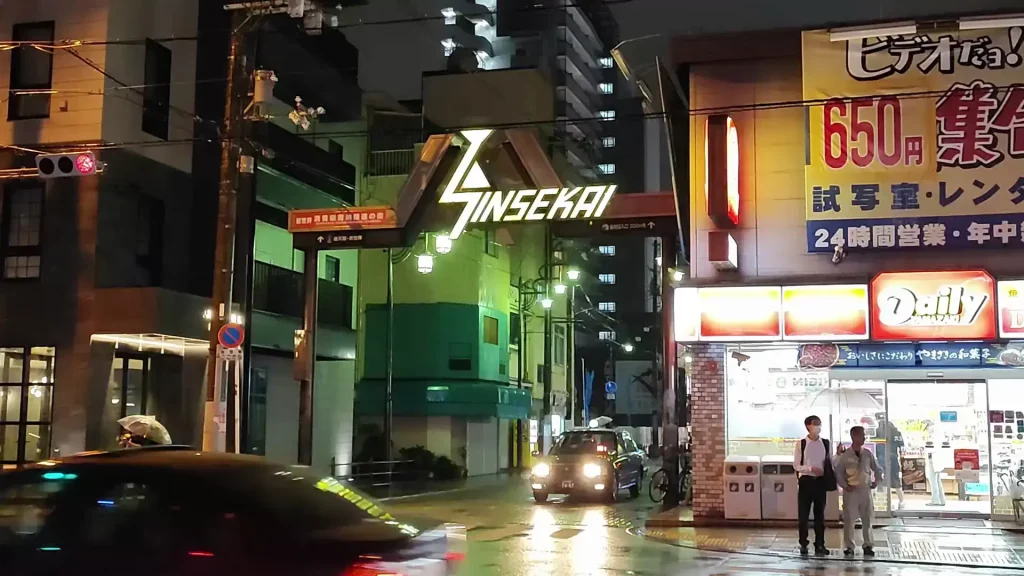
My first travel video with the new camera was from my trip to Ludao (Green Island), Taiwan. The biggest difference? I can now use my external microphone with the front camera. On the Xiaomi 11T Pro, the front camera did not support 4K. One thing I do miss is the 120W fast charging of the Xiaomi 11T Pro, but overall, the Pixel 9 met my expectations.
The Google Pixel 9 Pro has state-of-the-art cameras for video shooting, but it costs more than double my old phone, so I honestly expected good-quality videos. Stepping up to a flagship product is a rare exception to my usual budget-conscious approach to travel vlogging.
With AI-features and many other new tools, the Pixel 9 Pro offers additional benefits. But I still need time to test them. I can continue using my gimbal and my Brave 8 camera, so my camera setup remains flexible. And I honestly cannot wait to do more traveling in Taiwan and use my new travel vlog camera.
DaVinci Resolve Remains the Best Editing Software for Travel Vloggers
I do not use the AI features of the Google Pixel for video editing (yet). All my editing happens on my PC at home with DaVinci Resolve. While my computer has not changed, my editing software has. I upgraded to DaVinci Resolve Studio at the end of 2024, and it is worth the price IMHO, especially since it comes with a perpetual license.
I am saying this because good editing software can make up for many things that a travel vlog camera might be missing. In my experience, solid editing skills can replace or at least mitigate many expensive features, so you can save money on the camera.
If you are just starting your travel vlog and looking for the best editing software, go with DaVinci Resolve. Start with the free version, follow online tutorials, and upgrade as soon as you need more features. I am using it since day one, and I do understand it is a difficult software for beginners, it is worth learning.
For me, the voice isolation is an absolute game-changer. My travel vlog runs on a small budget, and my cameras are fairly cheap, but voice isolation helps fix many sound issues. This makes a huge difference in my videos IMHO. I speak about how clueless I was in my article “How I Became a Travel Vlogger in Japan“, just in case you want to know more about that.
Never Lose Travel Videos: Hardware Updates Beyond a New Camera
I am convinced that your camera has to be just one piece of your travel vlogger tech stack. Think of it as an ecosystem that not only enables you to create high-quality content but also ensures efficiency.
For example, I got used to automatically uploading all footage from my phone to Google Cloud. I have an internet flat rate on my phone and love the fact that by the time I get home from a trip all my footage is synced and do not have to upload it from a device.
To do so, I pay for 200 GB of Google Cloud storage (around 25 USD per year), which is enough for my active projects but not enough to archive and back up all my footage. To solve this, I bought a 4TB SSD for my computer as a video archive. Additionally, I invested in a QNAP TS-130 NAS server and a 4TB HDD to store older footage in an external location.
Of course, this is not 3-2-1 backup strategy, rather a “2-1-1” approach. A professional travel vlogger would likely have a faster and more redundant backup system, as well, possibly with automated cloud storage and a more robust NAS setup. But for my budget, this solution is “good enough” and does the job.
I also upgraded my monitors, replacing my two old second-hand screens with an Asus ProArt Monitor. The older monitors were outdated, and I am glat to have a better color accuracy. It makes color grading much easier. And that is importat especially with Brave 8 as a camera for my travel vlog.
Summary: Finding the Right Travel Vlog Camera Takes Time
The key takeaway from this blog is that your camera is important. But less essential than you might think. Always consider your entire tech stack. A good editing software can help compensate for camera limitations.
I also strongly recommend having at least two cameras to handle different shooting conditions – unless, of course, you are only filming at home. In that case, a simple webcam will do the job. But you get what I mean. 😉
Thanks for reading! Feel free to check out my other blog posts or visit my YouTube channel for more travel videos. In case you want to earn money with your channel, I tried to answer the question “How to Become a Travel Vlogger and Get Paid?” in a dedicated blog post.